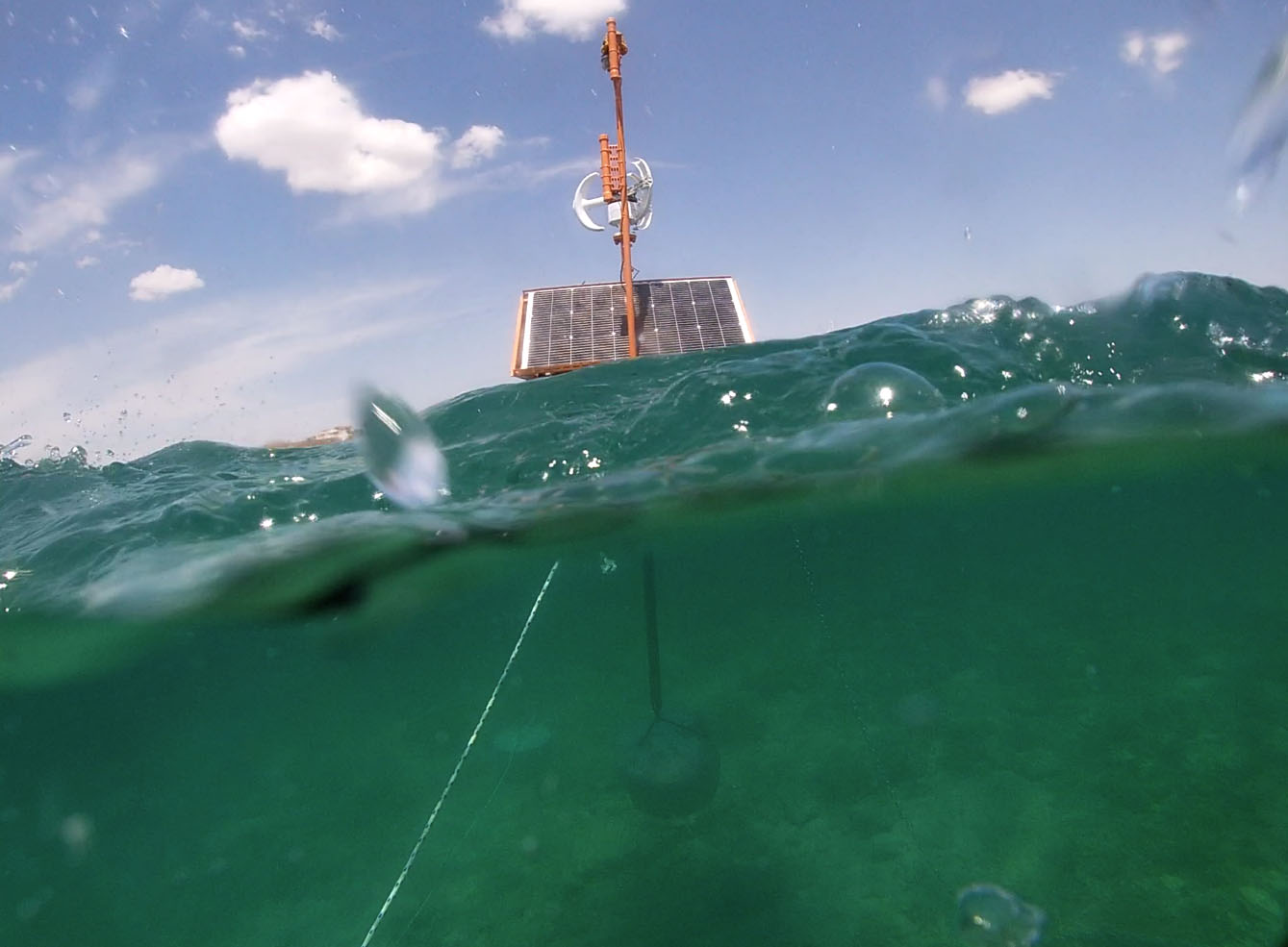

INSITU PLATFORM

Underwater
Video Monitoring
System

System
Battery
--.-- V
Latest sample
Surface Water
pH sensor voltage
--.-- V
Surface pH module output
Surface Water
Temperature
--.-- °C
Surface water temperature
pH Module
Pin Voltage
--.-- V
ADC pin voltage
pH Module
Module Voltage
--.-- V
Scaled module output
Air
BME280 Temp
--.-- °C
Air temperature
Air
Humidity
--.-- %
Relative humidity
Air
Pressure
---- hPa
Atmospheric pressure
Sensor ESP
Relay 1
--
Local relay state
Bottom At Camera
pH sensor voltage
--.-- V
Underwater pH module output near camera
Bottom At Camera
Temperature
--.-- °C
Underwater temperature near camera
Bottom At Camera
Salinity
--.- ppm
Derived from TDS sensor
Bottom At Camera
Turbidity
--.- NTU
Water clarity near camera
Project partners and institutions
Underwater heritage, observed from a distance

A modular platform for underwater observation

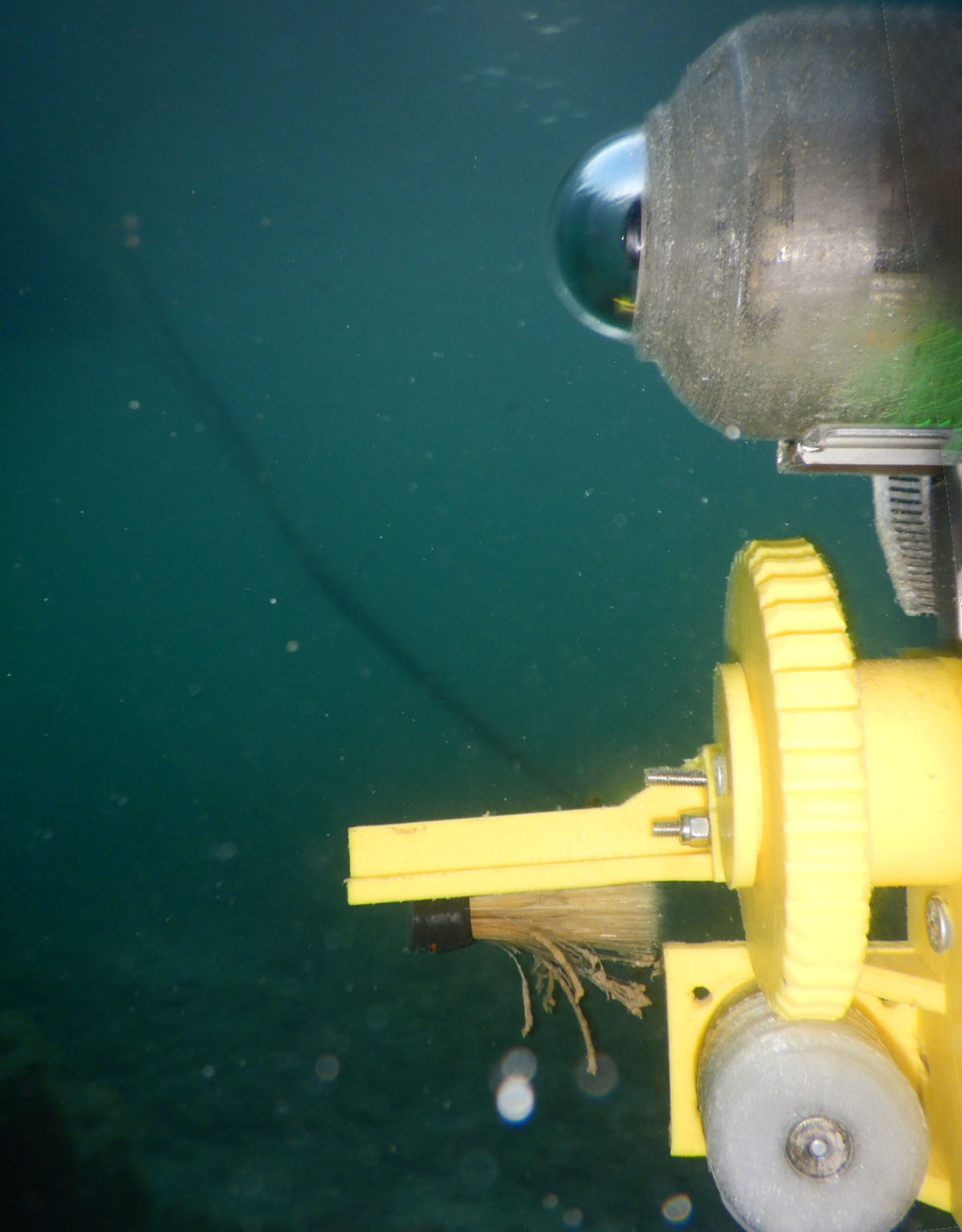
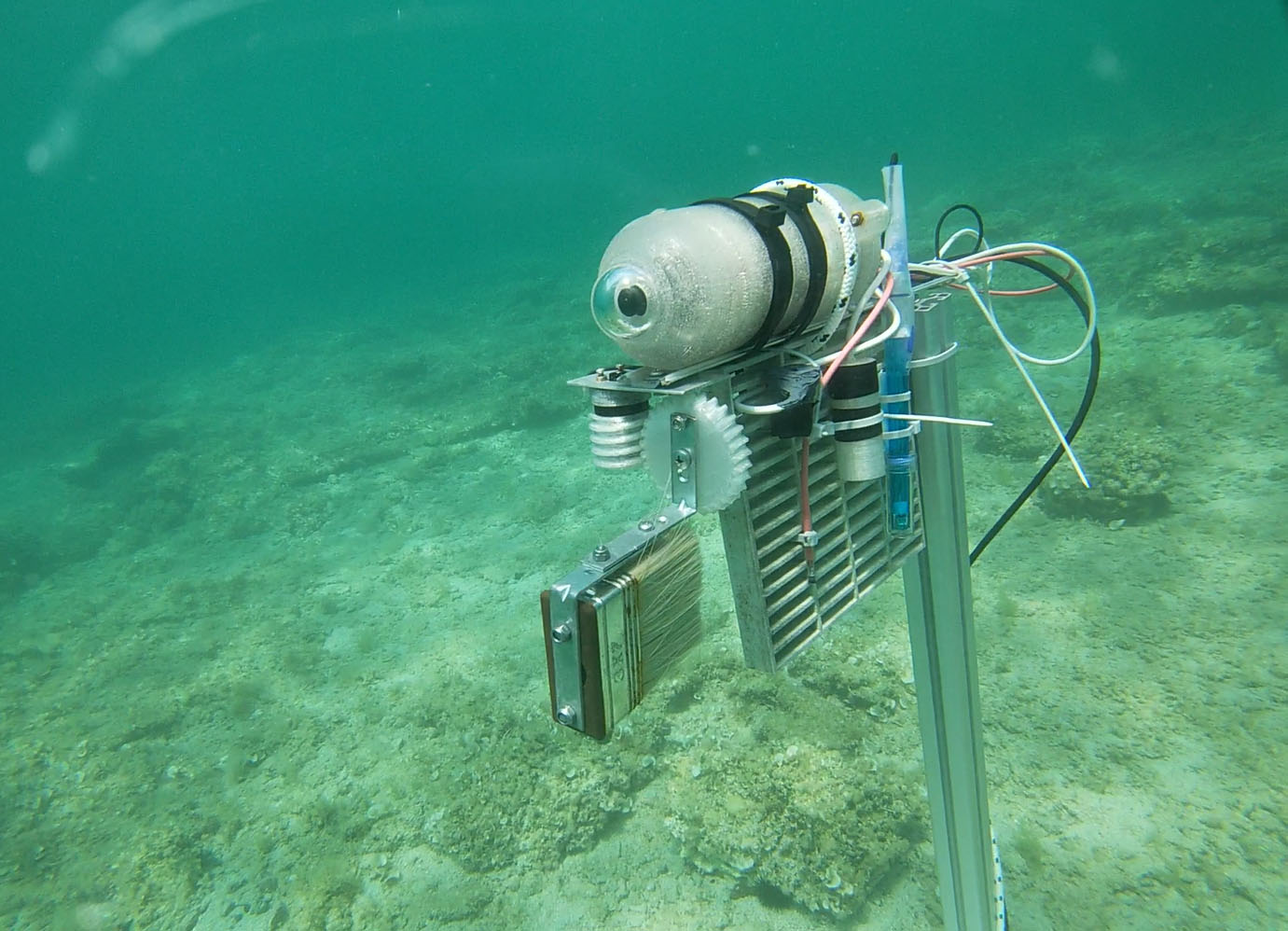
INSITU combines a surface buoy, underwater cameras and environmental sensors for remote observation, research and protection of submerged heritage at Porto Cesareo.

Read the Andar per Mare article
Tripolitanian Amphorae Wreck at La Pierta (Italy)
Monitoring site 1

Tripolitanian Amphorae Wreck at La Pierta (Italy)

July 2026
Marine and underwater archaeological site, Porto Cesareo

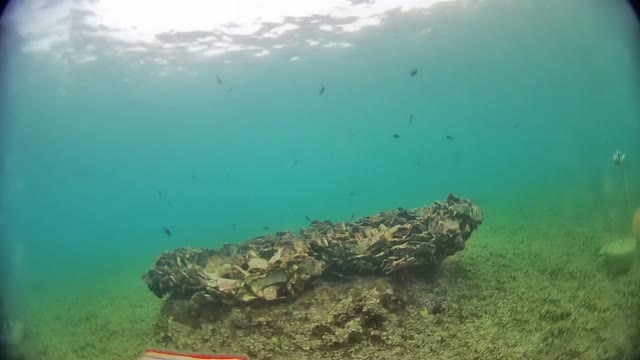
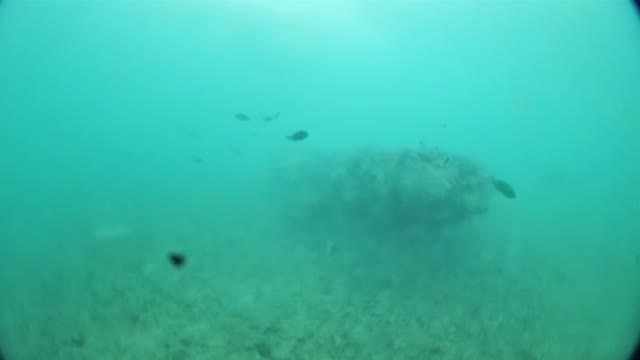
Off La Pierta, between Torre Chianca and Torre Lapillo, the seabed preserves the remains of a Roman wreck carrying North African Tripolitanian amphorae, likely from present-day Libya.

At roughly 3.5 to 5.5 meters depth, large concretions of amphora fragments still rise from the bottom and can be visited by snorkeling. The cargo probably dates to the late 2nd century CE and may have transported fish products, wine, and possibly oil.

Read Full Site Page
Roman Necropolis of Torre Chianca (Italy)
Monitoring site 2 Online now

Roman Necropolis of Torre Chianca (Italy)

August 2026 - Online NOW
Underwater sarcophagi and submerged funerary remains, Porto Cesareo

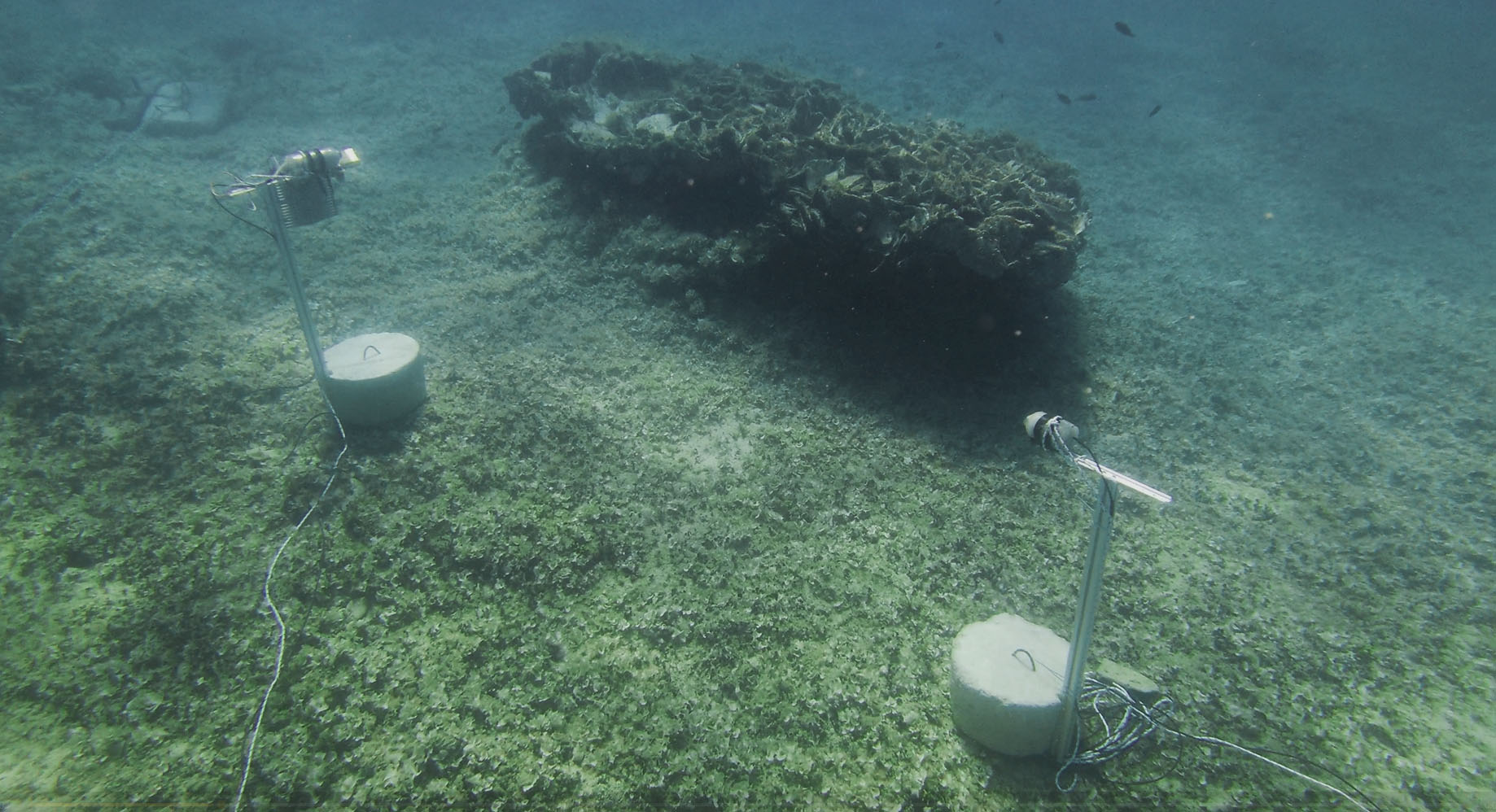
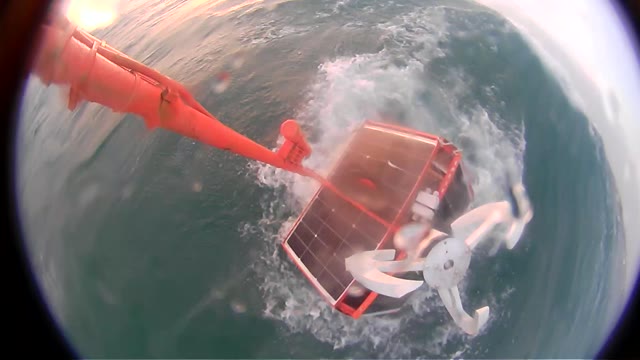
Since July 30, 2026, the buoy has been redeployed to the Roman necropolis of Torre Chianca, where submerged sarcophagi and funerary remains are monitored with two underwater camera branches.

The new setup uses two underwater ESP nodes with dedicated sensors and alternating lights. Both camera branches are powered only during their scheduled or manual recording sessions, with the recorder preventing simultaneous camera starts.

Read Full Site Page

Sensor History

Waiting for samples...
Full Sensor History
Live

Live Cameras Now

Archive

Latest records

Archive

Need full calendar view?

Full archive